Evidence-Based Digital Design | AI · XR · HCI

Ph.D. in Media Engineering wonju-hwangbo — Portfolio

I build evidence-based digital experiences at the intersection of AI, XR, and HCI.

Turning complex technology into interfaces people can understand and trust.

Background & Expertise

I hold a Ph.D. in Engineering and an M.S. in Digital Media, with extensive experience as an overall lead and end-to-end owner across product management, design direction, and development coordination. My work bridges rigorous research with practical digital design, focusing on making emerging technologies—AI, XR, and HCI—legible and trustworthy for real users.

As an adjunct professor, I have taught studio-based courses that emphasize prototype-driven learning, critique, and lightweight validation. I am seeking a tenure-track Assistant Professor position in Digital Design where I can advance evidence-based methods for designing AI and XR systems, while training the next generation of designers to work responsibly with complex, evolving technologies.

Research

Trustworthy AI interfaces, XR interaction design, evidence-based methods for emerging tech

Teaching

Studio-driven, prototype-centered courses with critique and lightweight validation focus

Practice

End-to-end leadership across PM, design, and development for digital products
Research Agenda

Three interconnected research clusters at the intersection of AI, XR, and evidence-based design

01

AI + Trustworthy Interfaces

Designing explanation layers, uncertainty communication, and human-in-the-loop workflows that help users understand AI behavior, assess reliability, and maintain appropriate trust calibration.

  • Explainability visualization patterns
  • Confidence and uncertainty display
  • Human oversight interaction models
02

XR/MR + Interactive Narrative

Creating testable immersive interactions with measurable learning and decision outcomes. Exploring how spatial computing and mixed reality can support complex cognitive tasks through well-structured narrative and interaction design.

  • Spatial interaction taxonomies
  • Narrative-driven wayfinding and comprehension
  • Outcome measurement in immersive environments
03

Evidence-Based Methods for Emerging Tech

Developing rigorous yet pragmatic evaluation methods when perfect datasets are unavailable. Emphasizing explicit assumptions, proxy signals, and realistic measurement plans to build credible design knowledge in fast-moving technology domains.

  • Assumption-explicit design frameworks
  • Proxy metric validation strategies
  • Lightweight testing protocols for early-stage tech

Teaching Philosophy & Courses

Studio-driven, prototype-centered pedagogy with critique and evidence-based validation

Teaching Philosophy

My teaching centers on studio practice: students build functional prototypes, present them in structured critiques, and develop lightweight validation plans to test their design assumptions. I emphasize that even small-scale evidence—analytics, interviews, or focused usability tests—is more credible than intuition alone. Students learn to articulate what they know, what they assume, and how they would validate their work in the real world.

Digital Design Studio: AI + Interaction

Hands-on course designing AI-augmented interfaces with focus on explainability, feedback loops, and user trust.

XR Studio (AR/VR/MR)

Immersive design projects exploring spatial interaction, narrative structure, and user testing in XR environments.

UX Research Methods for Emerging Technologies

Evidence-based evaluation techniques adapted for fast-moving tech: proxy metrics, assumption mapping, rapid validation.

Interactive Data Visualization & Storytelling

Designing data-driven interfaces that communicate complex information clearly and honestly.

Responsible AI for Designers

Critical examination of AI ethics, bias, transparency, and accountability through design case studies and critique.

Student Deliverables

Every project requires:

  • Prototype: Functional demo (web, mobile, XR, or video walkthrough)
  • Rationale: Clear explanation of design decisions and underlying assumptions
  • Evaluation Plan: Proposed method to validate the design (even if execution is future work)
  • Evidence Summary: Any available data (analytics, interviews, small-scale tests) presented honestly
  • Reflection: What worked, what didn't, what would be tested next

Selected Work

Digital design projects demonstrating evidence-based methods, end-to-end ownership, and research-driven approaches

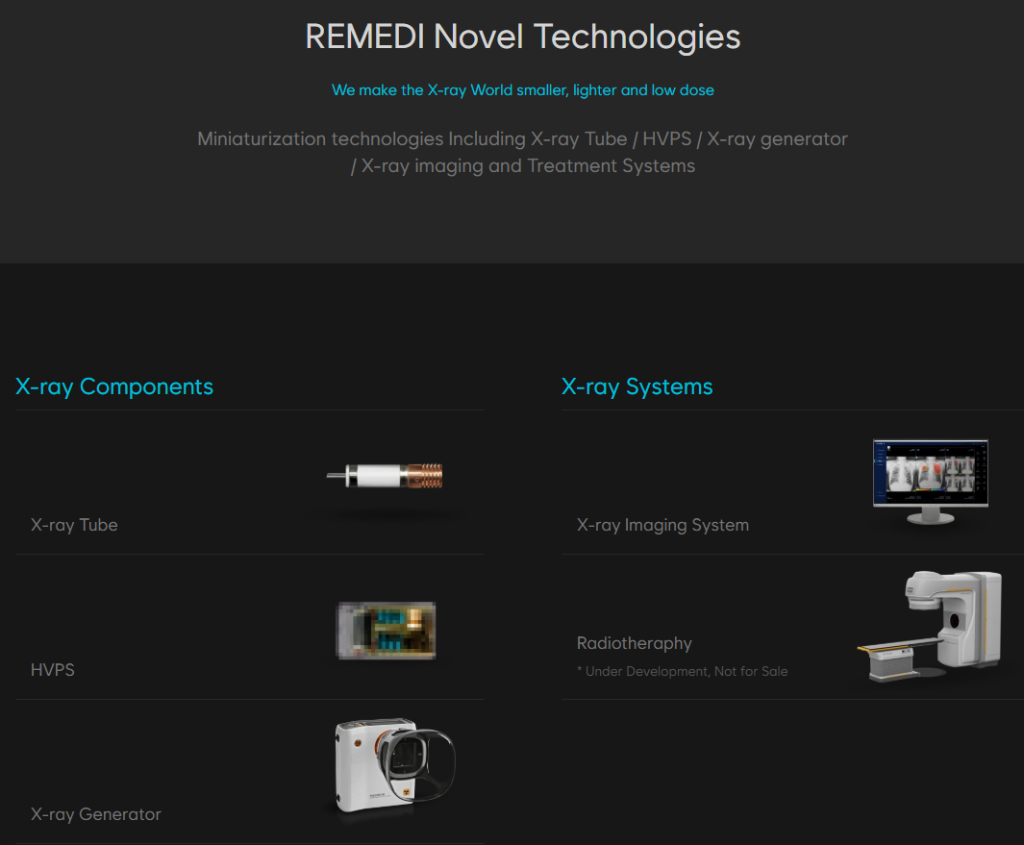
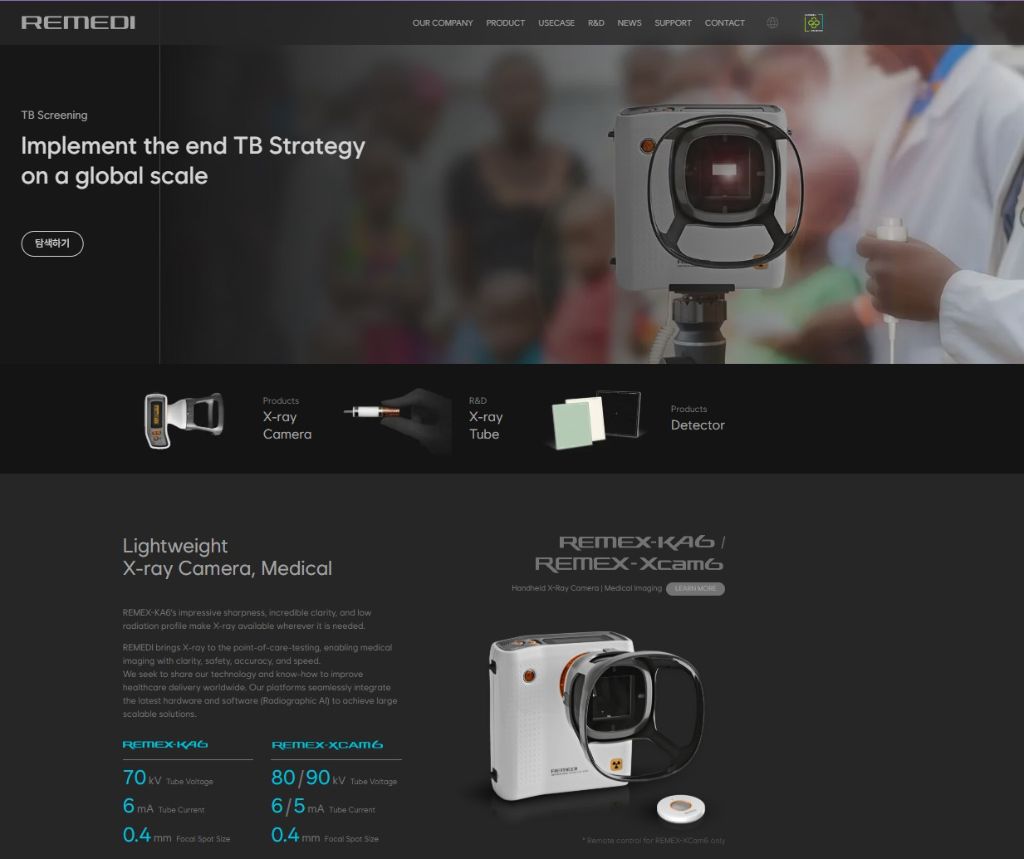
REMEDI Healthcare Website

REMEDI Healthcare Website

Use-case-first IA redesign for global medical technology

View Case Study
UX Design Information Architecture

REMEDI Healthcare Website

End-to-end redesign focused on clarity and trust for global audiences. Includes v1 hypothesis and validation plan.

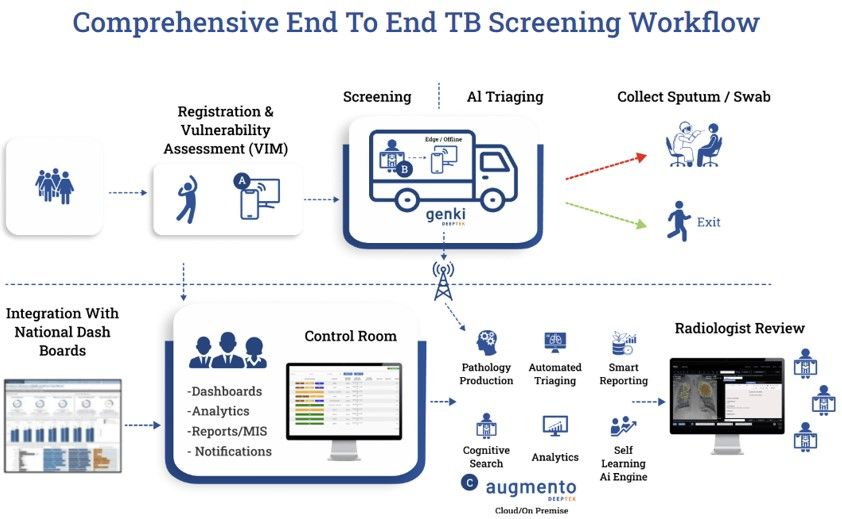
AI Explainability Dashboard

AI Explainability Dashboard

Transparency layer for decision-support AI system

AI Interface Trustworthy AI

AI Explainability Dashboard

Interface design for exposing AI reasoning, confidence scores, and uncertainty to support informed human oversight.

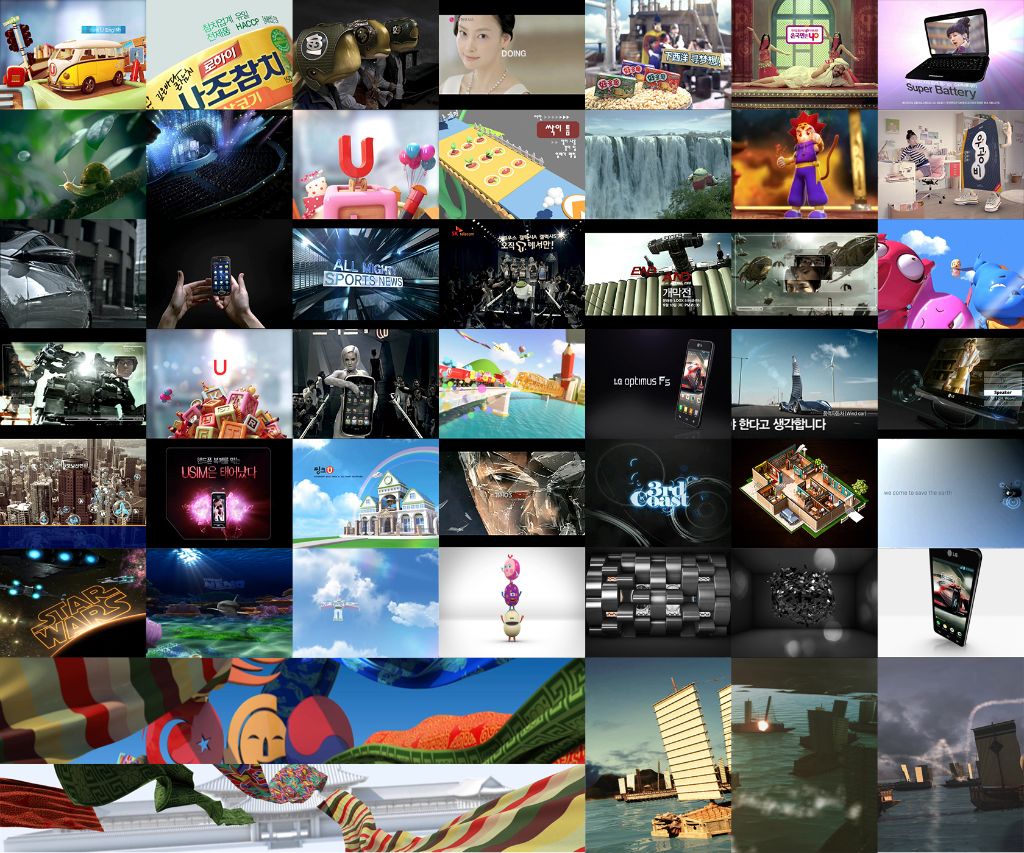
XR Learning Environment

XR Learning Environment Prototype

Spatial interaction design for technical training

XR Interactive Narrative

XR Learning Environment

Mixed reality prototype for procedural learning with measurable comprehension and retention outcomes.

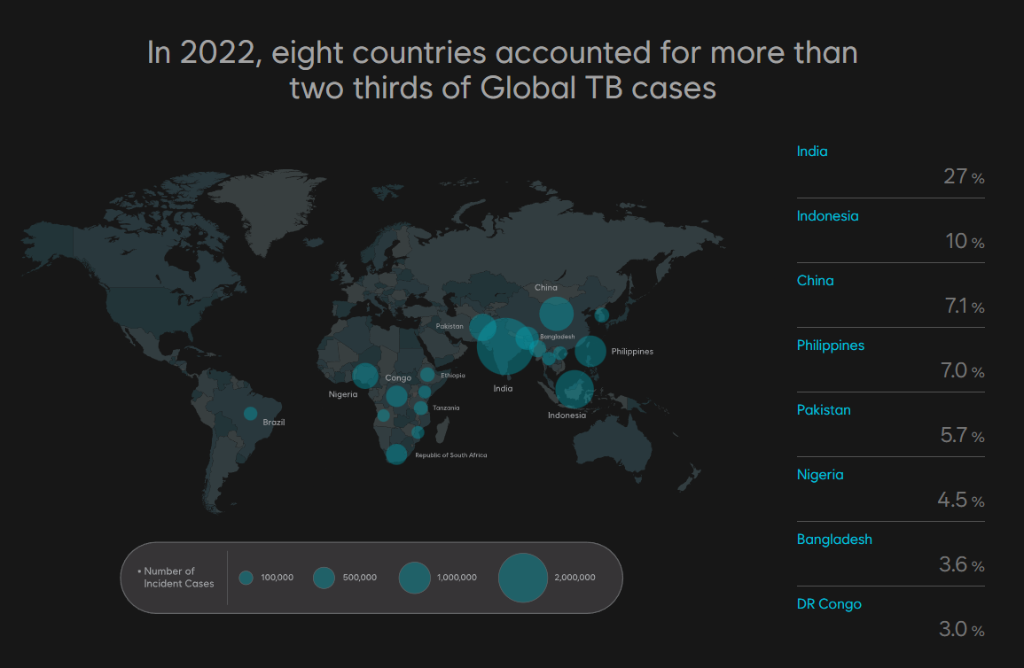
Interactive Data Visualization

Interactive Data Visualization Tool

Evidence-driven interface for complex datasets

Data Visualization UX Design

Interactive Data Visualization

User-tested visualization system for exploring high-dimensional research data with clear provenance and uncertainty indicators.

Scholarly Contributions

Selected peer-reviewed publications, conference presentations, and invited talks will be listed here.

This section will include research papers on AI interface design, XR interaction patterns, and evidence-based evaluation methods for emerging technologies.

CV

Download Full CV

Comprehensive curriculum vitae including education, research, teaching, publications, and service.

CV PDF will be made available upon deployment.

Get in Touch

Inquiries about research collaboration, teaching opportunities, or project discussions

Email

wonju.hwangbo@example.edu

Phone

Available upon request

Location

United States